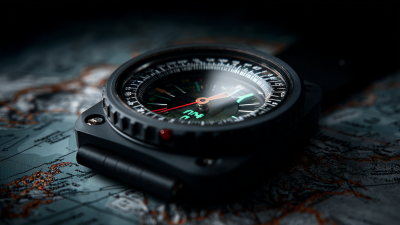
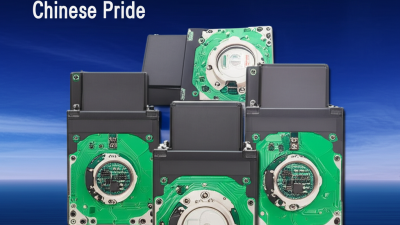
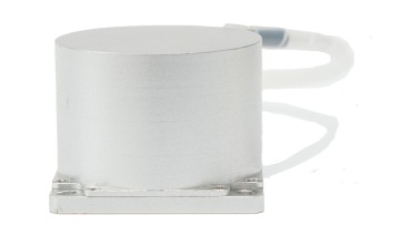
Hey, have you noticed how much advanced navigation tech has really changed the game across different industries? One of the key players in this space is the Gyro Compass Mapping Unit, which has become pretty essential. I came across a recent market report from Global Market Insights, and they’re saying the global market for inertial navigation systems is expected to hit over $15 billion by 2026. That’s largely because more and more folks are really valuing accuracy and dependability in navigation — it’s no joke! Oh, and speaking of companies making waves, Poseidon International Group from Hong Kong has been around since 2013, and they’ve been pushing the envelope with research and making some pretty cool tech like fiber optic gyroscopes (FOG) and inertial navigation systems (INS). They’ve got loads of patents and are really into innovating, helping industries get even better at navigating with Gyro Compass Mapping Units. So, in this article, I’ll walk you through some handy tips on how to get the most out of your Gyro Compass Mapping Unit — because, honestly, understanding how to use it right can make a huge difference in navigation precision.

Understanding the Basics of Gyro Compass Technology for Navigation
Gyro compass technology is pretty essential when it comes to accurate navigation. It gives you reliable heading info that won’t be thrown off by Earth's magnetic fields—something traditional magnetic compasses struggle with. Instead of relying on magnetism, gyro compasses use the weird and wonderful principles of gyroscopic motion to stay focused in one direction. That's why they're so popular for ships and planes. Basically, the spinning rotor inside keeps its orientation no matter how much the vessel moves around. This helps it point true north, not magnetic north, so you get rid of those pesky magnetic variations that can mess up your reading.
Getting a grip on how gyro compasses work means understanding some key parts—like the gyroscope itself, the stabilization systems, and feedback mechanisms that keep everything accurate. It all comes down to a spinning rotor inside a gimbal setup, which lets it pivot freely. This design ensures that, even when the ship is bouncing around or changing course, the gyro keeps a steady bearing. As navigation tech keeps evolving, combining gyro compasses with digital maps and GPS really boosts situational awareness and makes sure your navigation stays spot-on, no matter the conditions. Honestly, for modern sailors and pilots, they’re pretty much indispensable for staying reliable out at sea or in the sky.
Setting Up Your Gyro Compass Mapping Unit for Optimal Performance
 Setting up your gyro compass mapping unit the right way really makes a difference if you want it to perform well for accurate navigation. Start off by making sure it’s calibrated properly, just like the manufacturer suggests. That usually means tweaking the gyroscope and compass settings so they point cleanly towards true north—this helps cut down on any drift that might mess with your accuracy. Also, it’s super important to mount the unit on a stable surface—vibrations or any kind of movement can throw off your readings. If you can, use anti-vibration mounts to keep things steady.
Then, don’t forget to double-check your power setup. Make sure all the electrical connections are tight and that the power source is solid and reliable. Power fluctuations can really throw a wrench in your readings and impact how well the unit works. It’s also a good idea to stay on top of software updates or firmware upgrades from the manufacturer—that stuff can really improve performance. Keeping your gyro compass mapping unit well-maintained and following these basic setup tips means you’ll get the most out of it for precise mapping and navigation, leading to smoother, more reliable results overall.
Calibrating the Gyro Compass for Accurate Direction Reading
Calibrating a gyro compass might sound a bit technical, but it’s actually pretty important if you want accurate direction readings—especially when it comes to navigation. Basically, the process involves lining up the gyro with known reference points to get rid of any errors caused by local magnetic fields or environmental quirks. Usually, that means setting the compass to a known heading and then comparing its reading to true north, which you can verify using a reliable marker or another well-calibrated device. Once you spot any differences, you make the necessary tweaks. This way, you can trust your gyro compass to give you spot-on readings, even if conditions aren’t perfect.
And here’s the thing—keeping it accurate isn’t just a one-and-done deal. Regular maintenance and recalibration are key because all sorts of things—like movement of the vessel, temperature changes, or just the passing of time—can throw off the readings eventually. So, it’s a good idea to check and re-adjust the compass periodically, especially after any big changes or when you notice environmental factors shifting. Knowing how your gyro works and its limitations helps you use it effectively, making your navigation safer and smoother. In the end, taking the time to calibrate properly really pays off—because it means you can trust your course and navigate with confidence every time.

Integrating the Gyro Compass with Other Navigation Tools
So, integrating a gyro compass with other navigation tools really steps up the accuracy and reliability of maritime navigation, no kidding. The International Maritime Organization (IMO) actually reports that when you use a gyro compass along with GPS and other satellite systems, you can boost your navigation precision by up to half—that’s pretty impressive! This combo helps navigators double-check their data in real-time, which is super helpful especially when the weather's rough or visibility's poor. No doubt, it makes a big difference when you're out at sea and things aren't crystal clear.
Oh, and when you hook up a gyro compass with an Electronic Chart Display and Information System (ECDIS), things get even better. The Nautical Institute points out that this pairing doesn’t just make route planning easier—it also helps spot hazards right away with live chart updates. Plus, with the ECDIS market expected to hit around $4.7 billion by 2026, it’s clear that using these tech tools together is a game changer for modern navigation. All in all, this integrated approach really boosts your situational awareness and makes voyages safer, especially on those busy, crowded shipping routes out there.
Troubleshooting Common Issues with Gyro Compass Units
Gyro compass units are pretty much essential for accurate navigation out at sea, but like any tech, they can run into a few hiccups. You’ve probably heard about common issues like alignment errors, sensor glitches, or even drift — where the compass slowly goes off course. Interestingly, a report from the International Maritime Organization pointed out that about 15% of navigation mistakes come from faulty gyro compass readings. Knowing what to look out for and how to troubleshoot can really make a difference and boost safety on the water.
When your gyro compass starts drifting or acting up, recalibrating it usually does the trick. It’s a good idea to regularly check if it’s still aligned with true north—that way, you can dodge bigger problems later on. Industry experts often recommend doing a quick inspection every 6 to 12 months—that way, you catch any potential faults early, before they become serious. And if your readings are acting funny or inconsistent, a simple reset to factory settings is often a good first step.
Another thing to keep in mind is that environmental factors—like extreme temperatures or high humidity—can cause electronic components inside the compass to fail over time. To prevent that, it helps to keep your gyro compass in a climate-controlled spot and make sure all connections are clean and secure. Always check the manufacturer’s guidelines for troubleshooting tips because following their advice can really extend the life and reliability of your navigation gear.
Gyro Compass Unit Performance Metrics
This chart illustrates the performance metrics of a Gyro Compass Unit over a week, highlighting its precision in navigation and troubleshooting common issues encountered.
Best Practices for Maintaining Your Gyro Compass Mapping Unit
Taking good care of your gyro compass mapping unit is super important if you want it to perform at its best and give you accurate navigation. Regular maintenance isn’t just a chore; it actually helps extend the lifespan of the device and keeps the readings precise. One thing you definitely wanna do is keep it clean. Make sure to wipe down the outside and the lens regularly—dirt and moisture can really mess with the sensors, and trust me, that can throw off your navigation.
Also, don’t forget to calibrate it every now and then. Calibration is basically tweaking the compass so it accounts for magnetic fields from the ship and even atmospheric conditions. It’s especially a good idea to check things after major environmental changes or maintenance. Knowing your navigational tools, like bearing info and some key terms related to compass readings, can really give you an edge and make your unit work even better.
And hey, when you're not using it, make sure to store your gyro compass somewhere with a stable environment. Extreme heat, cold, or humidity can really mess with those electronic parts. If you stick to these simple tips, your gyro compass will stay reliable and ready whenever you need it for precise navigation. Keep it in good shape, and it’ll serve you well out at sea.
How to Effectively Utilize a Gyro Compass Mapping Unit for Precision Navigation
| Best Practices |
Description |
Frequency |
Importance Level |
| Regular Calibration |
Ensure that the gyro compass is calibrated periodically to maintain accuracy. |
Monthly |
High |
| Check Power Supply |
Regularly inspect the power supply to ensure uninterrupted operation. |
Weekly |
Critical |
| Data Backup |
Backup all navigational data to prevent loss and facilitate recovery. |
Daily |
High |
| Environmental Checks |
Monitor environmental conditions that may affect compass readings. |
As Needed |
Medium |
| Device Inspection |
Conduct thorough inspections of the unit for any signs of wear or damage. |
Quarterly |
High |
Exploring the Advanced Capabilities of the Fiber Optic Gyro BSD50: A Compact Solution for Precision Angular Speed Measurement
The Poseidon Fiber Optic Gyroscope (BSD50) stands out as a remarkable solution for precision angular speed measurement, particularly in environments where space and performance are critical. Boasting a compact size of just 50mm × 50mm × 37.7mm and a lightweight of ≤120g, this gyroscope is ideal for applications with stringent space constraints. Its exceptional bias stability, ranging from 0.1º/h to 1.0º/h, ensures that users can rely on high precision, even in dynamic conditions. This makes the BSD50 an excellent choice for small inertial measurement units (IMUs), navigation systems, and various other applications that demand consistent performance.
What truly distinguishes the BSD50 is its advanced digital closed-loop technology, which not only simplifies the design but also enhances overall durability and resistance to external factors such as vibration and shock. This is particularly beneficial in military and industrial sectors where equipment is often subjected to harsh conditions. Whether utilized in aerospace, defense, or industrial automation, the Poseidon BSD50 is engineered to meet the demands of high-performance applications, delivering reliable and precise measurements that are crucial for effective operation in challenging environments.
FAQS
: Correct setup is crucial for achieving optimal performance in precision navigation, as it helps reduce drift and align readings with true north.
Calibration typically involves adjusting the gyroscope and compass settings in accordance with the manufacturer’s specifications.
A stable mounting surface is essential; using anti-vibration mounts can help enhance stability and reduce reading errors.
A reliable power source is vital since fluctuations can lead to discrepancies in readings and hinder the unit’s effectiveness.
The device should be regularly cleaned, as dirt and moisture buildup can interfere with sensor readings and impact navigational accuracy.
Calibration should be conducted periodically and especially after significant environmental changes or maintenance work.
It should be stored in a controlled environment to avoid extreme temperatures and humidity, which can affect performance.
Regularly checking for software updates or firmware improvements can enhance the unit's functionality and overall performance.
Users should familiarize themselves with bearing information and key terms related to compass reading to improve the unit's effectiveness.
Regular maintenance ensures that the unit provides accurate readings, extends its service life, and remains a reliable asset for precision navigation.
Conclusion
The article titled "How to Effectively Use a Gyro Compass Mapping Unit for Precise Navigation" is a pretty solid guide for anyone looking to get the most out of advanced gyro compass tech. It kicks off with a simple rundown of how gyro compasses work — highlighting why they’re such a game-changer for keeping your directions spot-on in all sorts of navigation scenarios. Then, it walks you through setting up the Gyro Compass Mapping Unit, making sure it’s tuned up and ready to go at its best.
The piece also dives into the key steps for calibrating the unit, syncing it with other navigation tools you might be using, and tackling common issues that could pop up. Plus, it shares some handy tips on maintenance to keep everything running smoothly and extend the lifespan of your equipment. Since Poseidon International Group (Hong Kong) Limited is a leader in fiber optic gyroscopes and inertial navigation systems, their expertise really shines through and can make a noticeable difference in how well your Gyro Compass Mapping Unit performs.

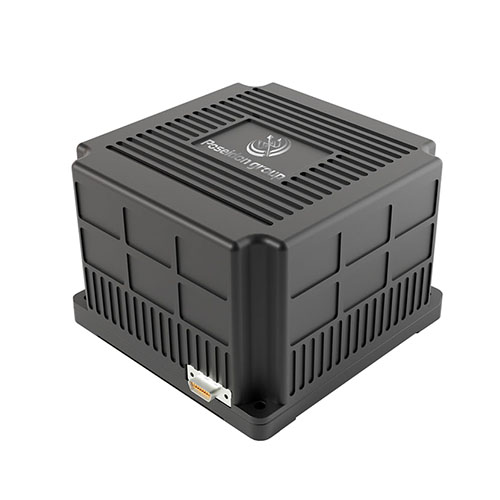 TBSD60
 BSD120
 BSD98
BSD98 BSD70
BSD70 BSD60
BSD60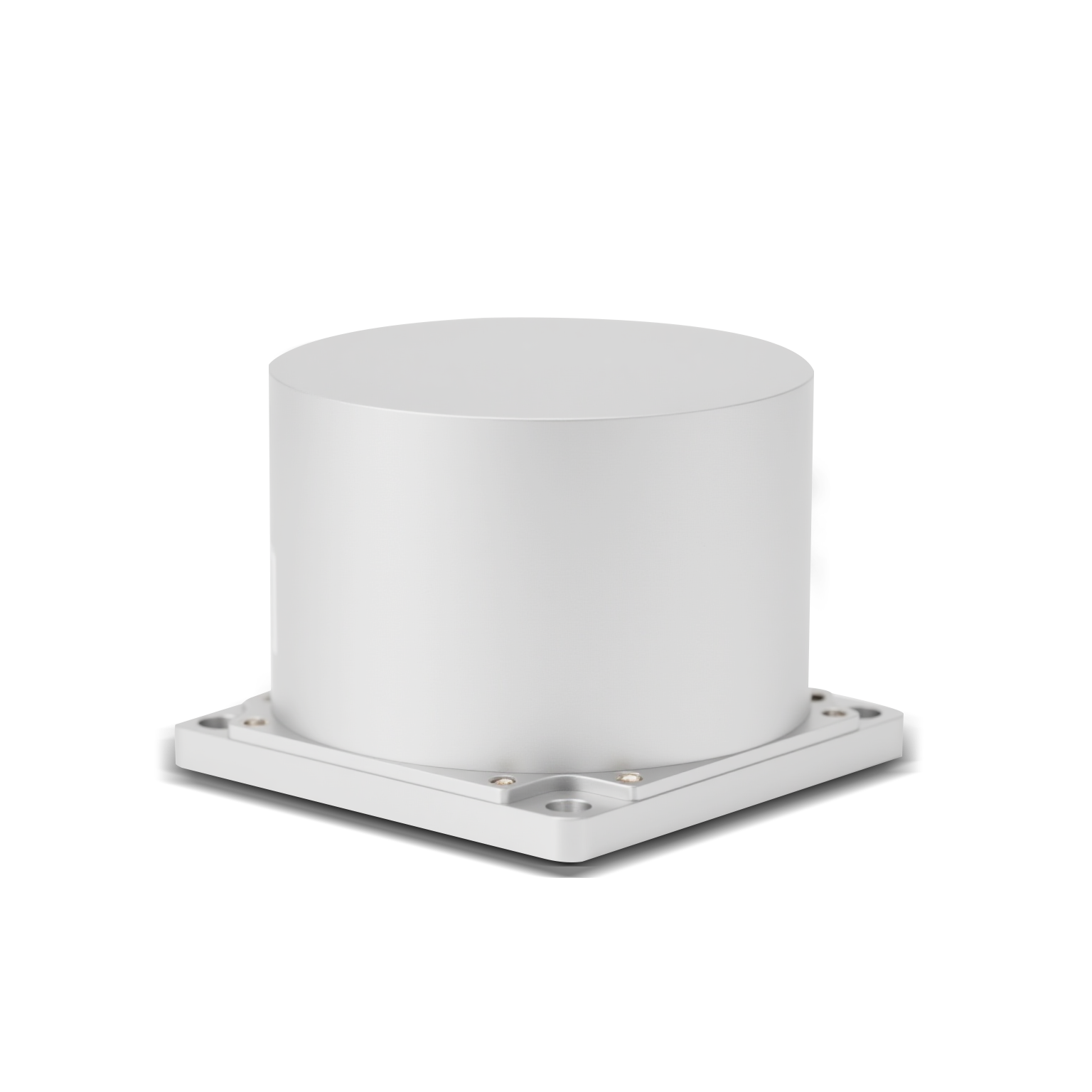 BSD50
BSD50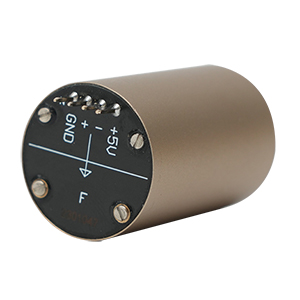 BSD217
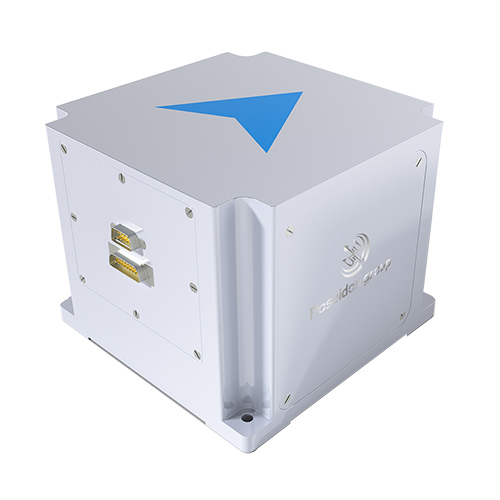 INS1700
 INS970
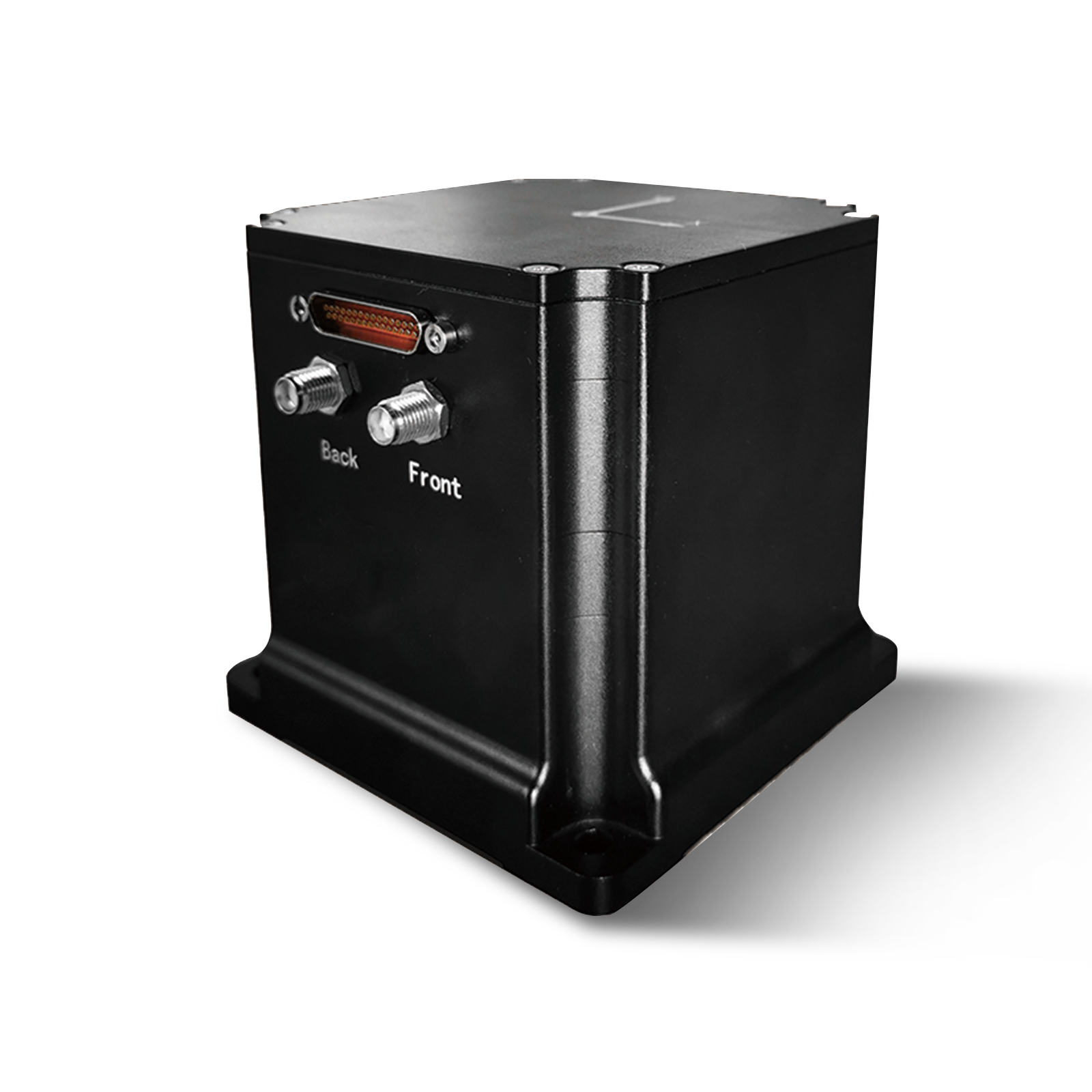 INS570
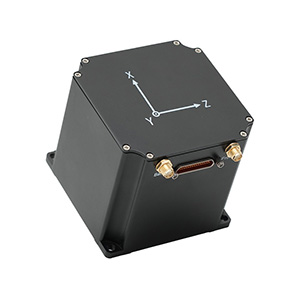 INS170
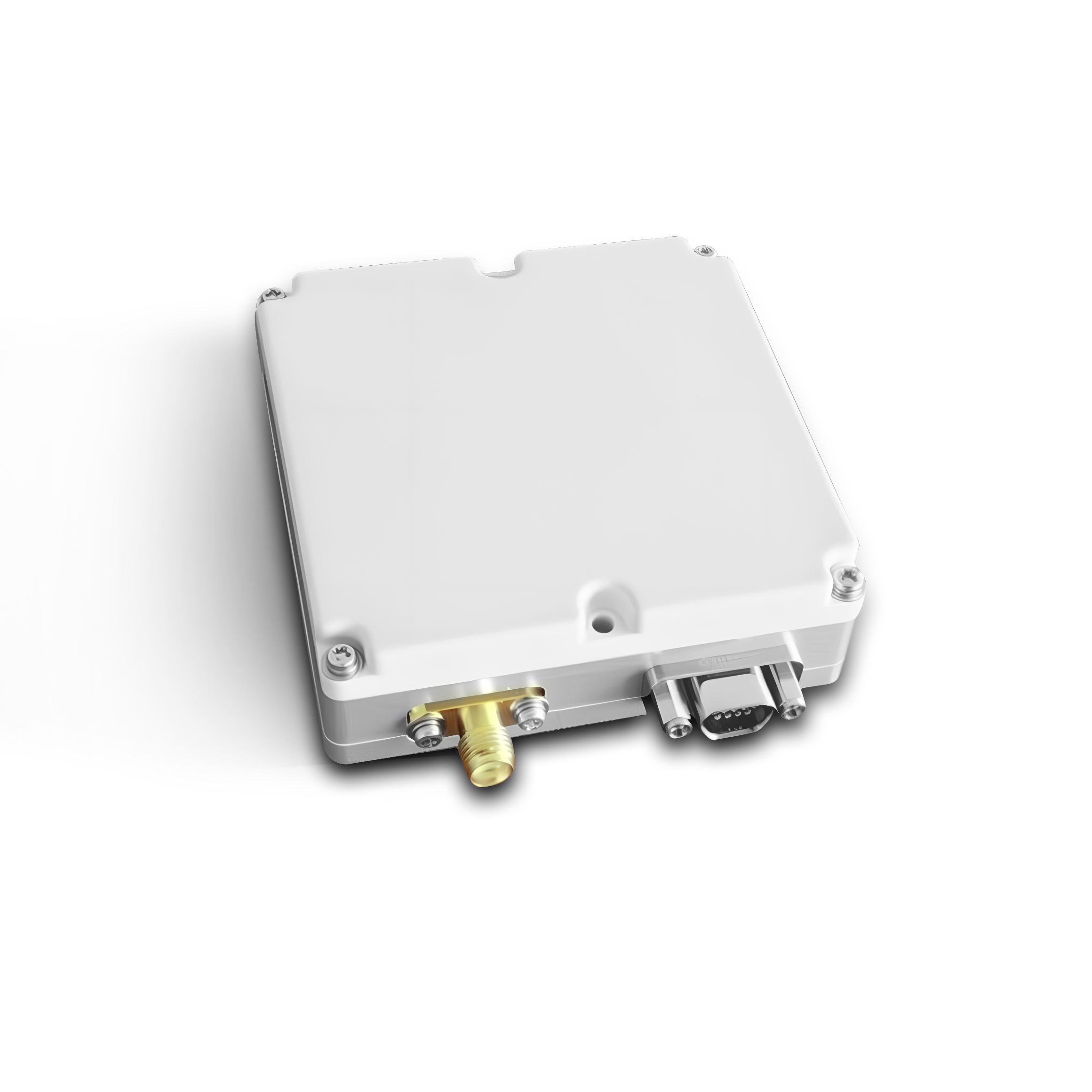 SLA-4B1L1-65
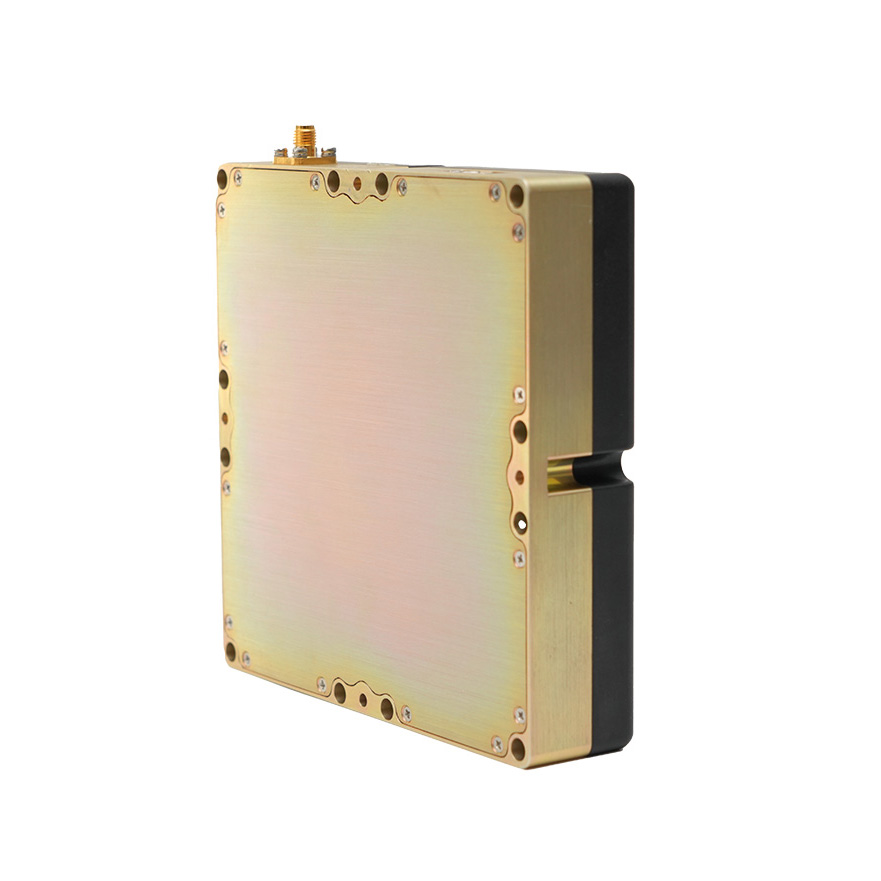 SLA-4B1L1-130
 SLA-8B1L1-165
 DIVER 101
 DIVER 102
 DIVER 103
 DIVER 104
 DIVER 105
 DIVER 106
 SLLR3000
 SLLR905
 SLLD25
 160M
160M 170M
170M SLFC-70
 SLAF280
 MR360
MR360